Why High-Quality Food Grade Grease Matters for Food Processing Equipment
- eubotech
- Nov 28, 2025
- 8 min read
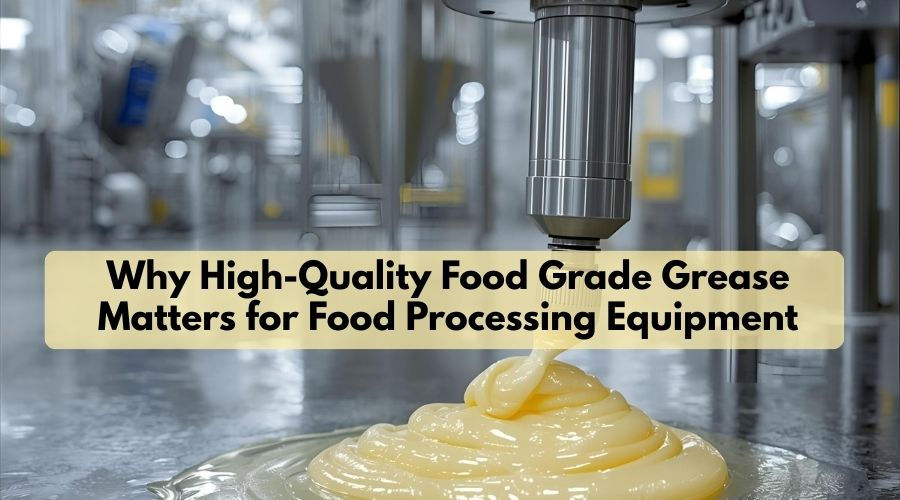
Food processing facilities operate under demanding conditions where machinery must run smoothly, safely, and continuously to maintain production efficiency. Lubrication plays a critical role in this process because every part of the equipment that moves, rotates, or bears weight relies on grease to minimize friction and prevent premature wear. In the food industry, lubrication becomes even more important due to strict hygiene and safety requirements.
This is where food grade grease becomes an essential element in maintaining both equipment performance and compliance. Businesses involved in food production cannot overlook the importance of using high-quality, certified food grade grease, as it directly impacts product safety, operational efficiency, and regulatory adherence.
This blog explores what food grade grease is, why it matters, how it benefits businesses, and what buyers should consider when selecting both the lubricant and the supplier.
Understanding Food Grade Grease
Food grade grease is a specially formulated lubricant designed for use in environments where there is a possibility of incidental contact with food. Unlike regular industrial lubricants, these greases are created using ingredients approved for safe use around consumable products. Food grade greases fall under different classifications including H1, H2, and H3. H1 grease is designed for applications where incidental food contact could occur, making it the most commonly used category in food processing facilities. H2 grease is meant for mechanical components where there is no chance of food contact, and H3 lubricants are used for cleaning and rust prevention on equipment surfaces.
These classifications highlight the strict safety requirements governing food processing operations. Ingredients used in food grade lubricants must meet stringent safety standards, ensuring they are non-toxic and free from harmful additives. The formulations often include refined base oils and thickening agents that comply with food safety regulations, guaranteeing that even if small traces end up in consumable products, they will not compromise consumer health.
Food-safe lubrication standards exist because contamination is one of the most serious threats in the food manufacturing environment. Global regulations set by organizations such as the FDA, NSF, and ISO outline the requirements to maintain hygiene and prevent chemical hazards. If equipment uses non-approved lubricants, the risk of contamination increases significantly, potentially leading to product recalls, regulatory violations, and severe damage to brand reputation. Therefore, selecting the correct type of grease is not merely a technical decision but a vital part of food safety protocols.
Key Features of High-Quality Food Grade Grease
High-quality food grade grease must meet several performance expectations to keep production lines functioning reliably. One of the most important features is resistance to high temperatures and pressure. Many food processing machines such as ovens, mixers, conveyors, and fillers operate under extreme heat or heavy load. If the grease cannot withstand these conditions, it can melt, break down, or fail prematurely, creating friction and increasing the likelihood of mechanical issues.
Another critical characteristic is water and steam resistance. Frequent washdowns, exposure to moisture, and humid environments can quickly degrade low-quality lubricants. Food processing plants prioritize cleanliness, meaning equipment is regularly cleaned using high-pressure water jets, detergents, and sanitizing agents. High-quality food grade grease remains stable even in these situations, providing a lasting protective layer that prevents metal components from rusting or corroding.
Oxidation and corrosion protection is equally important because food production often takes place in environments where exposure to water, acids, and cleaning chemicals is unavoidable. Grease with strong oxidation resistance ensures that components retain their integrity over long periods, preventing rust and corrosion-related failures. This helps extend equipment lifespan and maintain consistent performance.
Additionally, high-quality food grade grease offers excellent adhesion and shear stability. The grease must remain in place even under constant movement, vibration, and load. A grease that easily displaces increases friction, accelerates wear, and leads to unnecessary downtime. Reliable adhesion ensures that lubrication is maintained continuously, reducing the need for frequent reapplication.
Finally, the non-toxic and allergen-safe composition of food grade grease is vital for protecting consumer health. With growing consumer awareness and strict regulatory standards, even minor lapses can result in serious consequences for food manufacturers. The safest grease formulations eliminate the possibility of introducing allergens or harmful chemicals into the food supply chain, ensuring both compliance and peace of mind.
Applications of Food Grade Grease in the Food Industry

Food grade grease is used across a wide range of machinery and equipment in the food processing sector. In meat and poultry processing facilities, machines such as slicers, grinders, conveyors, and packaging equipment rely heavily on lubrication to handle continuous operations. These environments often involve exposure to moisture, raw materials, and intense sanitation cycles, making high-quality grease indispensable.
In bakery and confectionery production lines, grease plays an essential role in ovens, mixers, bearings, and rotary machinery. The high temperatures and continuous movement in these settings require grease that can withstand prolonged exposure to heat without losing consistency or lubrication properties.
Beverage manufacturing and bottling facilities also depend on food grade lubricants because of the high-speed nature of bottling lines, filling machines, and packaging stations. The continuous motion and pressure in these systems demand grease capable of maintaining stability under rapid mechanical movements.
Dairy processing and cold storage environments introduce additional challenges due to the combination of low temperatures, moisture, and constant handling of liquid and semi-solid products. Pumps, valves, refrigeration components, and sealing mechanisms require lubricants that perform well in cold conditions without hardening or losing effectiveness.
General food packaging and handling equipment also use food grade grease to ensure smooth and efficient operations. Machines involved in sealing, labeling, and packing need consistent lubrication to prevent breakdowns and maintain productivity. This wide applicability makes high-quality food grade grease a universal requirement across the food processing industry.
Benefits of Using High-Quality Food Grade Grease for Businesses
Using top-tier food grade grease directly influences business performance and long-term operational success. One of the most notable benefits is the increased equipment lifespan and reduced breakdown frequency. When machinery is properly lubricated, friction decreases, allowing components to last longer and reducing the cost of frequent repairs or replacement parts.
Operational efficiency also improves significantly. Machines run more smoothly with quality grease, reducing the energy required to operate them. Improved lubrication contributes to better production consistency, fewer interruptions, and enhanced output, all of which translate to higher productivity.
Compliance is another major advantage. Food processing companies must meet strict hygiene and safety standards, and audits are a regular part of the operational environment. Using certified food grade grease helps facilities maintain strong compliance records by minimizing contamination risks and adhering to regulatory guidelines.
A key concern for manufacturers is the risk of contamination and product recalls. High-quality grease minimizes this risk by ensuring that even if incidental contact occurs, the product remains safe for consumption. This is essential for maintaining customer trust and protecting brand reputation.
In the long term, food grade grease generates noticeable cost savings. With reduced maintenance requirements, longer lubrication intervals, and fewer equipment failures, businesses spend less on repairs and downtime. Although high-quality grease may have a higher initial cost, its extended service life and performance benefits make it a cost-effective investment.
Buyer-Focused Insights: What to Look for When Choosing Food Grade Grease
When selecting food grade grease, buyers should evaluate several critical factors to ensure the right product is chosen for their operations. Viscosity and operating temperature range are key considerations because the grease must match the load, speed, and temperature conditions of the machinery. A mismatch can lead to poor performance, rapid breakdown, or lubrication failure.
Checking certifications and documentation is also essential. NSF H1 approval, ISO certifications, and detailed technical datasheets demonstrate that the grease meets global safety standards. Reliable suppliers always provide transparent documentation to support their claims.
Compatibility with existing lubrication systems must also be assessed. Mixing different greases can lead to chemical incompatibility, causing the lubricant to fail. Buyers should confirm whether the new grease is suitable for blending with or replacing the one currently in use.
Resistance to washdowns and cleaning agents is crucial in hygiene-intensive operations. The grease must remain effective even after repeated exposure to detergents and water.
Finally, buyers should prioritize suppliers who offer transparency and thorough testing. Products backed by Certificates of Analysis, Safety Data Sheets, and consistent quality assurance processes ensure reliability and traceability.
How to Select a Reliable Food Grade Grease Supplier
Choosing a dependable supplier is just as important as selecting the right grease. Suppliers with extensive industry experience and technical expertise can provide valuable recommendations based on the unique needs of your machinery and environment. Some manufacturers offer custom formulations, allowing businesses to optimize lubrication performance for specific equipment types or challenging conditions.
A strong supply chain and global distribution capability ensure uninterrupted availability and timely deliveries. Consistency in supply is crucial for keeping production running smoothly. After-sales support is another valuable factor. Suppliers who offer training, maintenance guidance, and product trials help businesses maximize the effectiveness of their lubrication programs.
A transparent quality assurance process reflects a supplier’s commitment to excellence. In-house testing, strict control over raw materials, and detailed batch analysis reports ensure that every batch meets the same high standard.
Industry Trends in Food Grade Lubricants
The food lubrication industry continues to evolve with several emerging trends. There is a clear shift toward synthetic greases because they offer improved performance, longer service life, and better resistance to temperature extremes. Eco-friendly and biodegradable lubricants are gaining popularity as businesses prioritize sustainability and environmental responsibility.
Technology-driven advancements such as smart lubrication monitoring systems are also becoming more common. These systems use IoT sensors to track lubricant condition and predict maintenance needs, helping businesses reduce downtime and optimize performance.
Global food safety regulations are becoming stricter, pushing manufacturers to adopt high-quality, compliant lubricants. The ongoing rise in automation in food processing plants is also increasing demand for high-performance greases that can support high-speed operations.
Read this blog Right Food Grade Grease for Industrial Machinery
Frequently Asked Questions
Why is food grade grease different from regular industrial grease?
Food grade grease is different from regular industrial grease because it is intentionally created with non-toxic, safe ingredients that meet strict food safety regulations. In any environment where machinery operates near food, there is always a chance of incidental contact, and using regular grease in such areas would introduce harmful additives and contaminants into the production line.
How often should food processing equipment be lubricated?
Lubrication schedules in food processing facilities vary depending on operating temperature, machine load, cleaning frequency, and the manufacturer’s guidelines. Equipment that runs at high speeds, handles heavy loads, or operates at elevated temperatures tends to require more frequent lubrication because the grease breaks down faster under demanding conditions.
Can mixing two different food grade greases create equipment issues?
Mixing two different food grade greases can cause several problems because every formulation contains its own blend of thickening agents, additives, and base oils. Even if both greases are classified as food grade, they may still be chemically incompatible.
Does food grade grease work effectively in extreme temperature environments?
Food grade grease can perform very well in extreme temperature environments, but its success depends entirely on the formulation used. Synthetic variants are specifically engineered to handle both high and low temperature challenges
What certifications should buyers check before purchasing food grade grease?
Buyers should always look for internationally recognized certifications, with NSF H1 and ISO 21469 being two of the most important indicators of quality and safety. These certifications confirm that the grease is suitable for incidental food contact and meets strict hygiene requirements throughout its manufacturing process.
Conclusion
High-quality food grade grease is a fundamental necessity for ensuring safety, efficiency, and long-term equipment performance in food processing facilities. It supports smooth operations, enhances machine life, and safeguards product integrity, making it an irreplaceable component of modern food manufacturing.
Choosing a reliable supplier who offers certified, high-performance lubricants and strong technical support enables businesses to operate with confidence and maintain compliance at every stage. Whether you are a distributor, wholesaler, or food production company, investing in superior food grade grease is a strategic decision that delivers consistent operational benefits and long-term value.


Comments